Long before Salamini Italiani alla Cacciatora PDO, small salamis were already present on the tables of the ancient Egyptians. Food Anthropology traces their origins as far back as Mesopotamia in 3000 BC.
In Italy, the first people to produce this type of salami were the Etruscans, skilled hunters who enjoyed wild boar and pork preserved as salted meats, the earliest forms of cured meats.
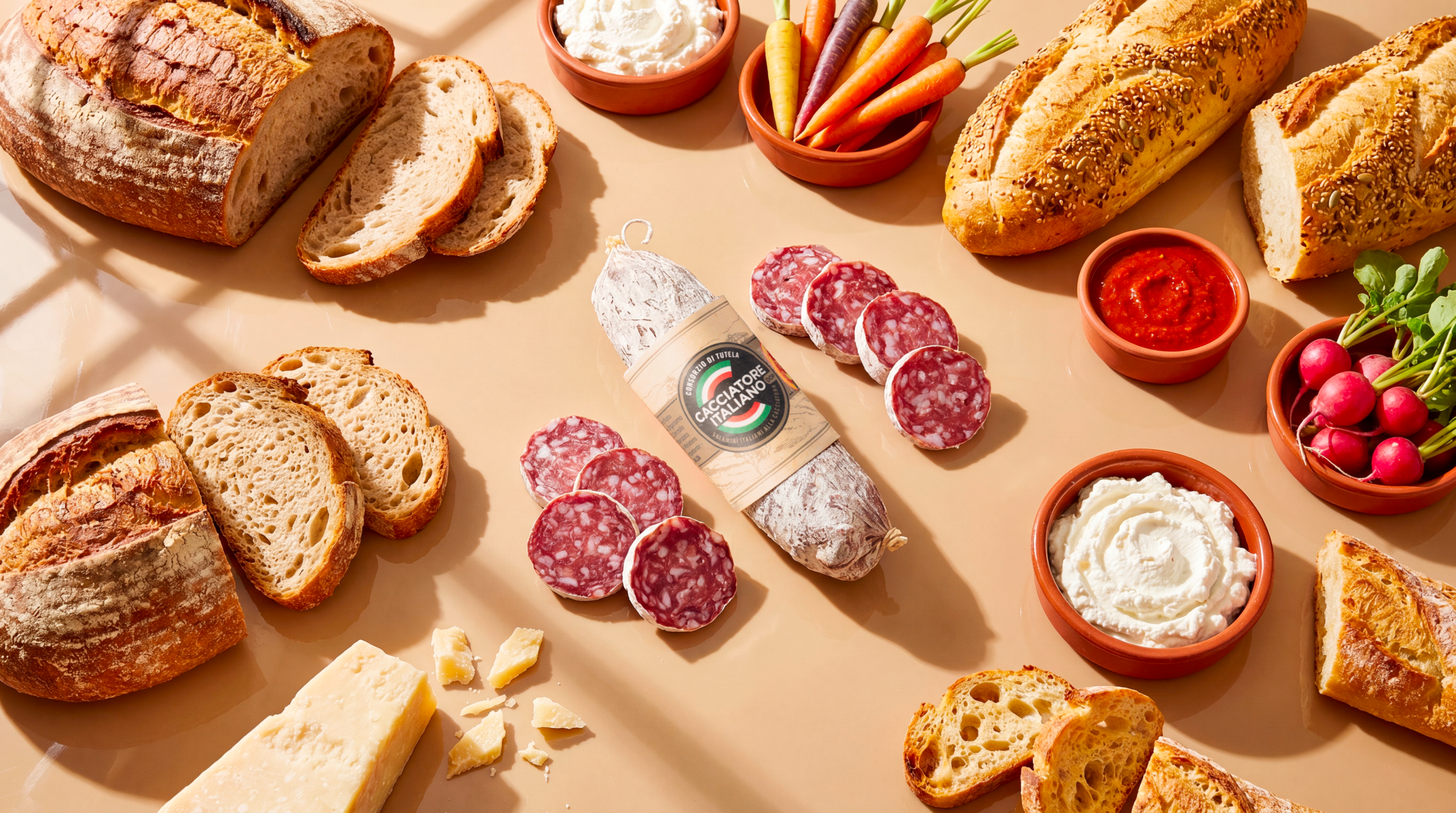
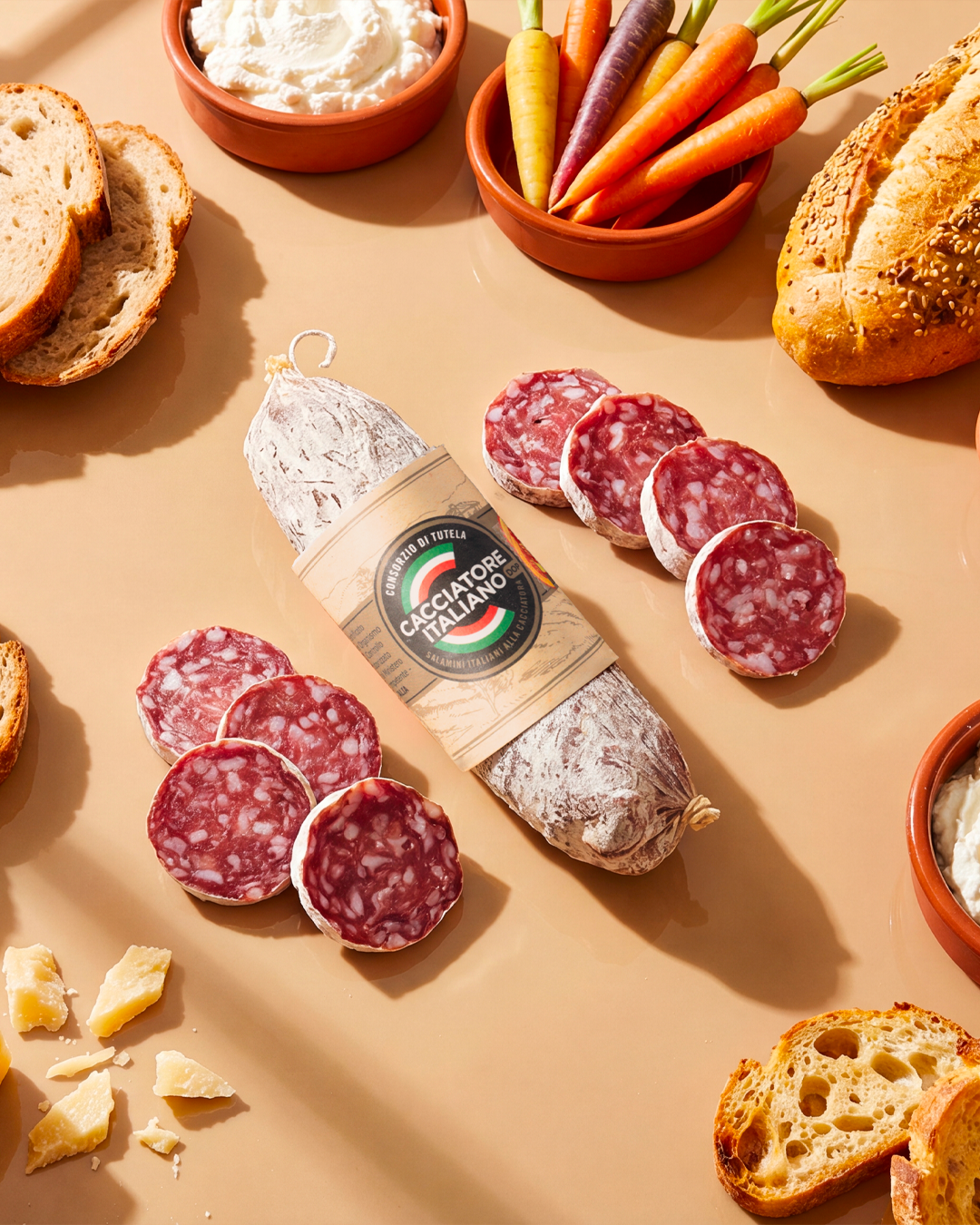
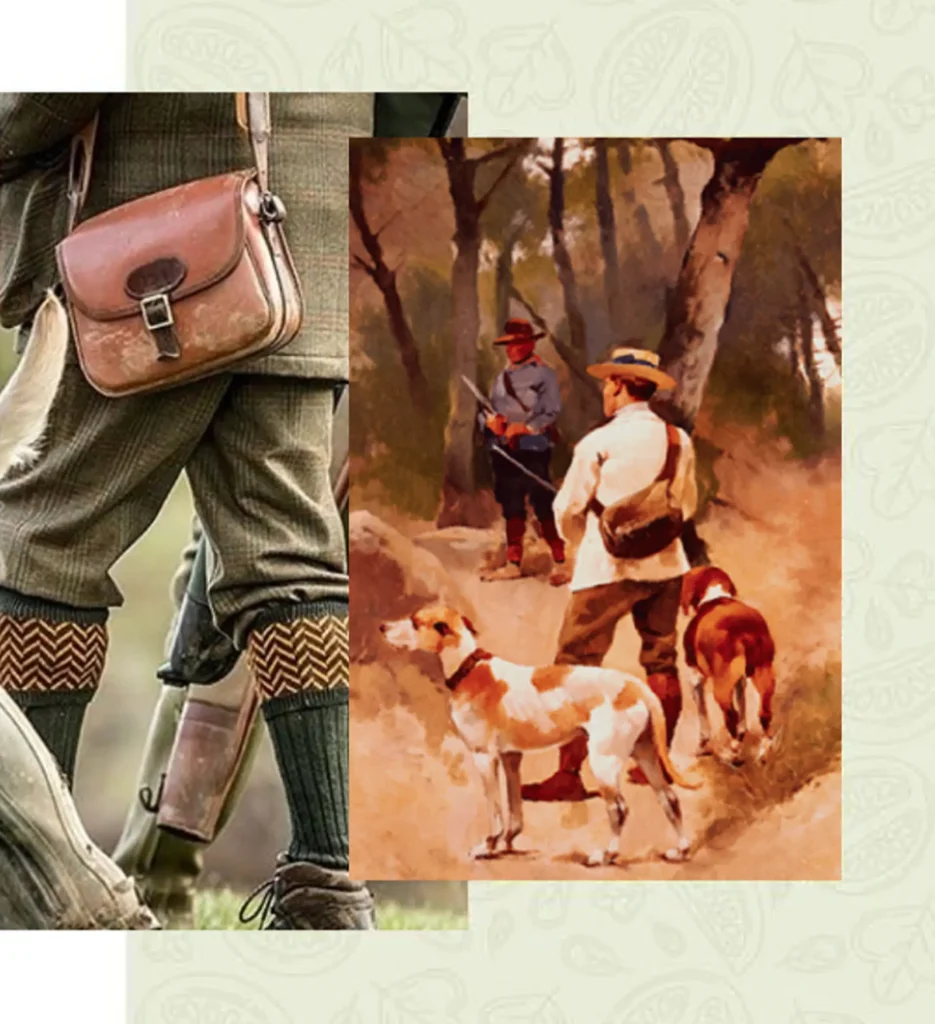
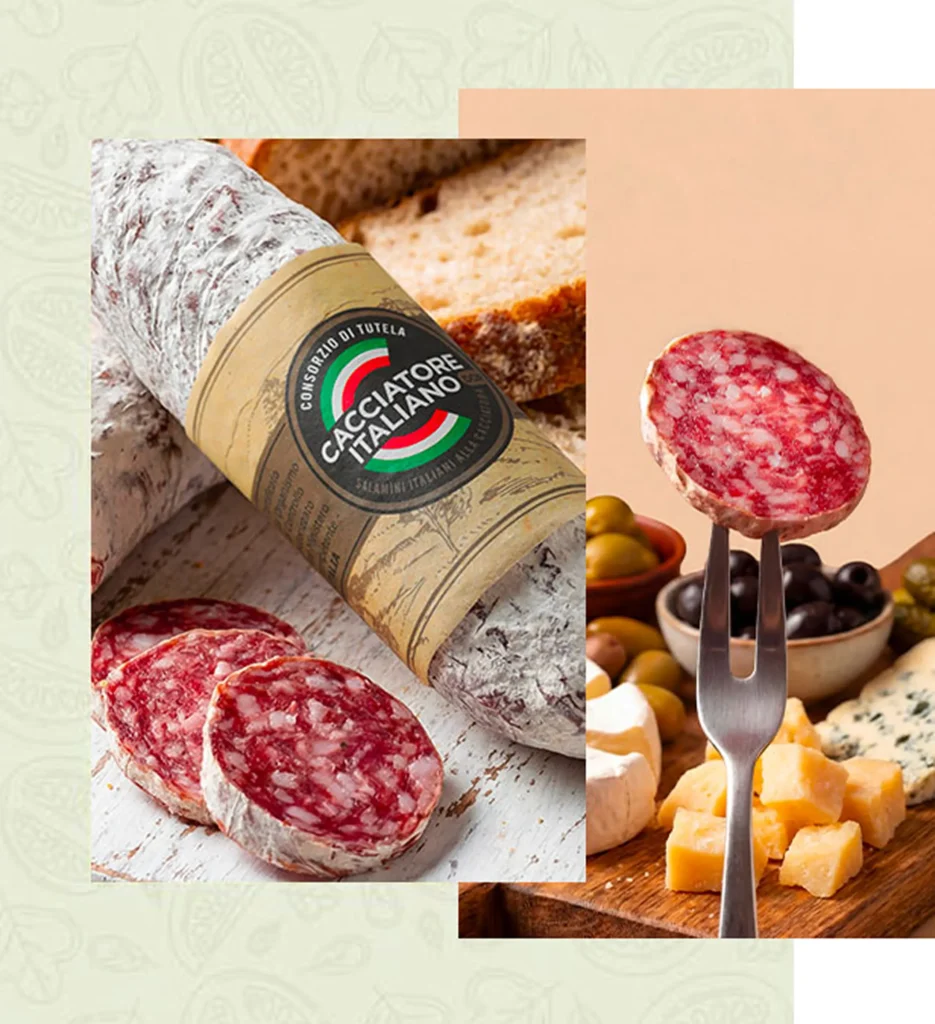
These small salamis, eaten with bread, were the food hunters carried with them during hunting trips: a protein-rich, flavorful, tasty, and above all practical and compact source of nourishment.
This is precisely where the name “Cacciatore” (Hunter) comes from.
The Etruscans later passed their expertise on to the Romans, who spread it throughout the Italian peninsula.
Over time, these salamis began to be produced in the homes of farmers across central and northern Italy, who would offer them as gifts to the noblemen who hunted on their lands.
Today, they are among the most widely known Italian salamis in the world.